
Latest Insights in Stock Market Investing
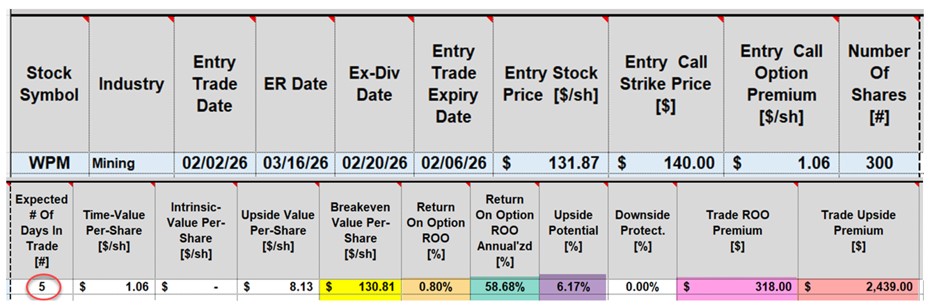
From In-The-Money (ITM) to Out-Of-The-Money (OTM) Covered Calls: Mitigating Losing Trades
click ↑ 4 Featured Selling ITM covered calls is a defensive approach to the strategy; selling OTM covered calls is a more traditional or aggressive perspective. In this article, a series of trades I executed with Wheaton Precious Metals Corp. (NYSE: WPM) are analyzed....

BCI PODCAST 174: Rolling-Up a Covered Call Trade in the Same Contract Month
Rolling up is an exit strategy available to covered call writers when share appreciation occurs. This podcast will analyze and calculate the pros & cons of rolling up a 6-month covered call trade and make suggestions regarding how to improve an already successful...

The Put-Call-Put (PCP) or Wheel Strategy: A Real-Life Example from Alan’s Portfolio
click ↑ 4 Featured The Put-Call-Put (PCP) or Wheel Strategy is a multi-tiered option-selling strategy that incorporates both selling cash-secured puts and covered call writing. In this article, a real-life example, taken from one of my option portfolios, will be...

Ask Alan #243: The Option Greeks Meet Portfolio Overwriting
Alan, For the past 6 months, I have been writing covered calls in my non-sheltered long-term buy-and-hold portfolio. I’ve been averaging an additional 8% annualized return on this portfolio and quite pleased with these results. How should I integrate the option...
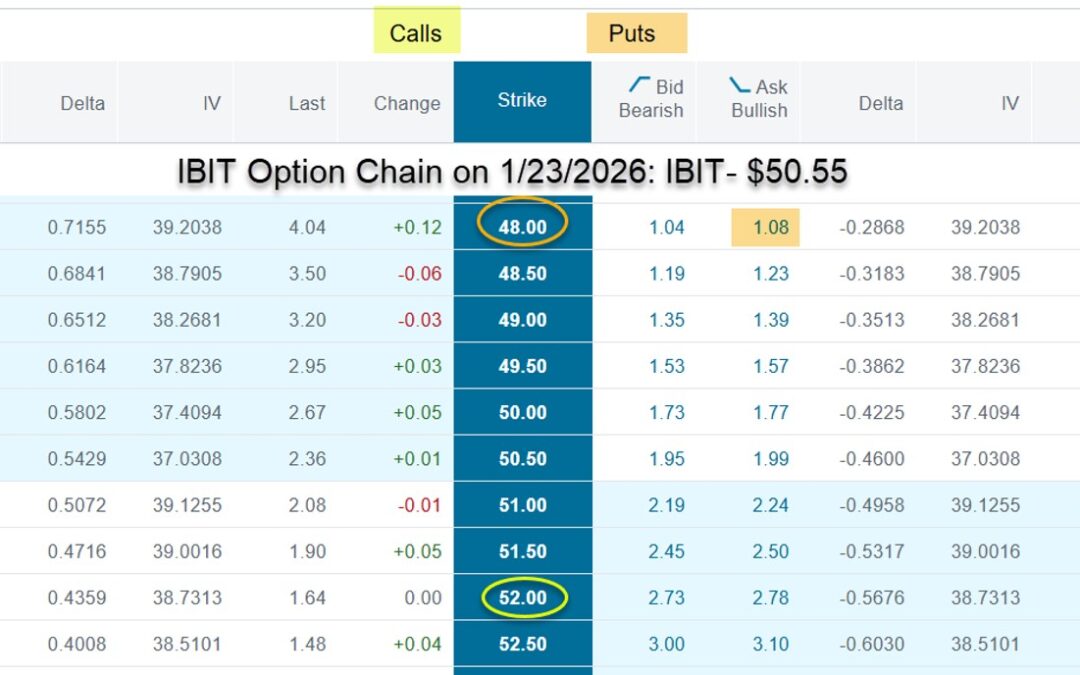
Setting Up a Bitcoin Collar Trade Using the BCI Collar Calculator
click ↑ 4 Featured The most well-known form of cryptocurrency is Bitcoin. I am frequently asked about the use of crypto with our covered call and cash-secured put trades. In this article, a 29-day collar trade s analyzed, using Bitcoin, to construct a defensive,...
BCI PODCAST 173: Large Returns Can Be Enticing: We Must Do the Math to Make Sensible Trades
Analysis of a real-life Intel Corp. (INTC) covered call trade to show why large option premiums can be misleading. Using the Trade Management Calculator, he breaks down intrinsic value, time value return, annualized return, downside protection, break-even price, and...
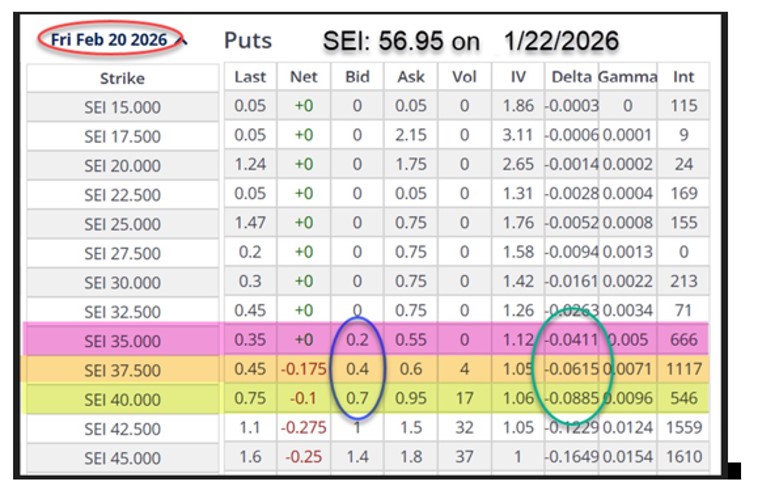
How to Establish a Bear Market Cash-Secured Put Trade
click ↑ 4 Featured When we sell cash-secured puts, we are contractually obligated to buy shares at the strike price by the expiration date, should the option buyer decide to exercise that option. In the BCI methodology, we predominantly favor out-of-the-money (OTM)...
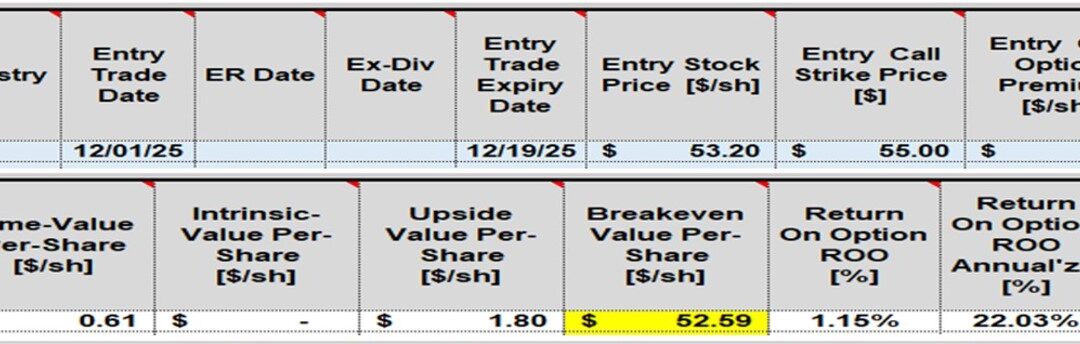
Stock Entry Price on Monday After a Covered Call Expired Worthless on Friday
click ↑ 4 Featured We write an out-of-the-money (OTM) covered call and share price moves up but does not breach the OTM strike by expiration Friday, so the option expires worthless. What price do we enter on Monday for the next expiration cycle? The original price,...
BCI PODCAST 172: Analyzing a Multi-Faceted Series of Covered Call Trades
Large cash premiums can attract us into making trades that are not in our best interest. We must be able to calculate the returns over both short and longer timeframes, as well as measure the risk inherent in our trades. In this podcast, a $6,000.00 premium was...
 Podcast
- 126. Analyzing the Status of a Rolling-Down Trade
- 124. Dividends and After-Hours News Causing Exercise of OTM Call Strikes
- 123. Implied Volatility, IV Rank and IV Percentile Defined and Practical Applications
- BCI PODCAST 122: Should I Roll-Out My Deep In-The-Money Call Option Mid-Contract?
- BCI PODCAST 121: What is a SPAC (Special Purpose Acquisition Company)?
- 120. Using the Nasdaq-100 Volatility Index (VOLQ) in Covered Call Writing Decisions
- 119. Establishing Our Cost-Basis for Long-Term Holdings
- 118. Adjusting Our Portfolio Mix to Achieve Diversification and Cash Allocation
- 117. When a Covered Call Strike Moves $1000.00 In-The-Money
- 116. How to Execute a Covered Call Trade with a Buy/Write Combination Form
Explore Investment Topics
Covered Call Exit Strategies
Exit Strategies
Our Journey and Mission
The Blue Collar Investor was founded with a simple mission: to empower everyday individuals with the knowledge to invest wisely in the stock market. Our blog focuses on demystifying stock options, providing readers with the tools they need to succeed. We believe that anyone can learn to invest effectively, regardless of their background or experience.
Our story began when our founder Dr. Alan Ellman, realized the lack of accessible resources for average investors. Determined to bridge this gap, we created a platform that offers comprehensive guides, expert tips, and real-world strategies. Today, The Blue Collar Investor is a trusted resource for thousands of readers seeking to enhance their financial literacy and achieve their investment goals.