
Latest Insights in Stock Market Investing
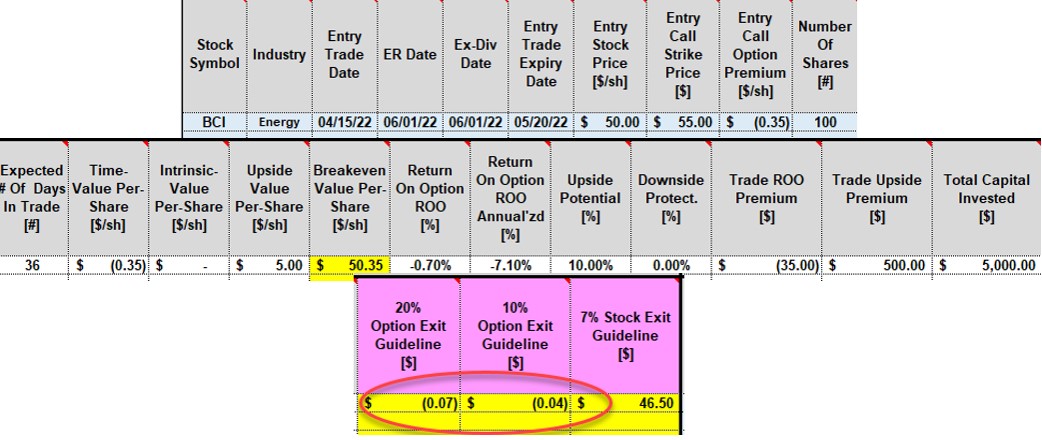
Setting Our 20%/10% Guidelines After Rolling an Option Out or Out-And-Up
Rolling-out is a covered call writing exit strategy we frequently use when a strike is expiring in-the-money (ITM) and we want to retain the underlying shares for the next contract cycle. After closing the short call in the current month prior to rolling, a new trade...
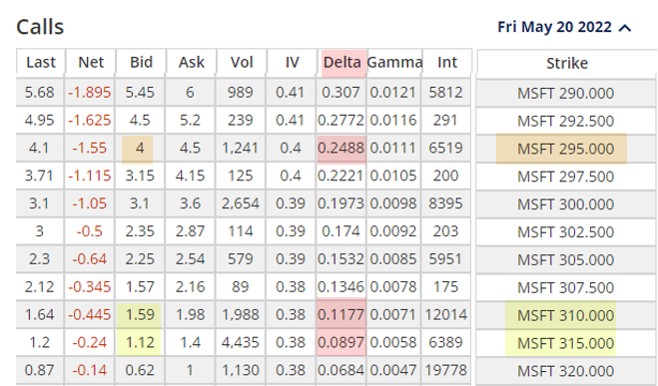
Portfolio Overwriting in High Implied Volatility (IV) Markets + Alan’s Wealth365 Webinar Registration Link
One of our covered call writing-like strategies is portfolio overwriting. The strategy involves selecting deep out-of-the-money (OTM) strikes that will generate lower returns than traditional covered call writing but also decreases the likelihood of exercise (our...

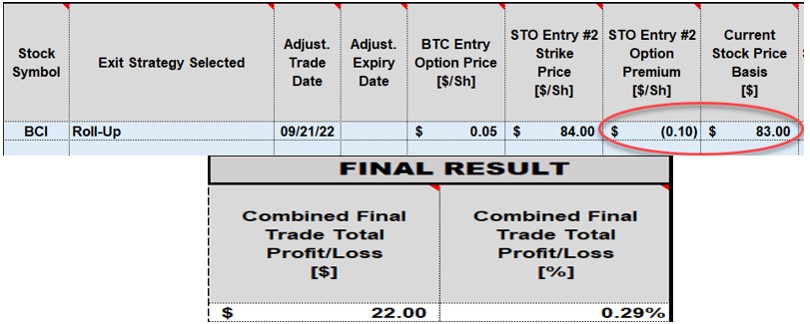
BCI Podcast 89: Am I Losing Money When I Buy Back My Deep ITM Covered Call Options?
Watch Video: Listen To Audio Version: Closing a deep ITM call option may appear quite expensive on the surface. However, when we break down the calculations and evaluate both legs of a covered call trade, the results may tell a different story. A real-life example...
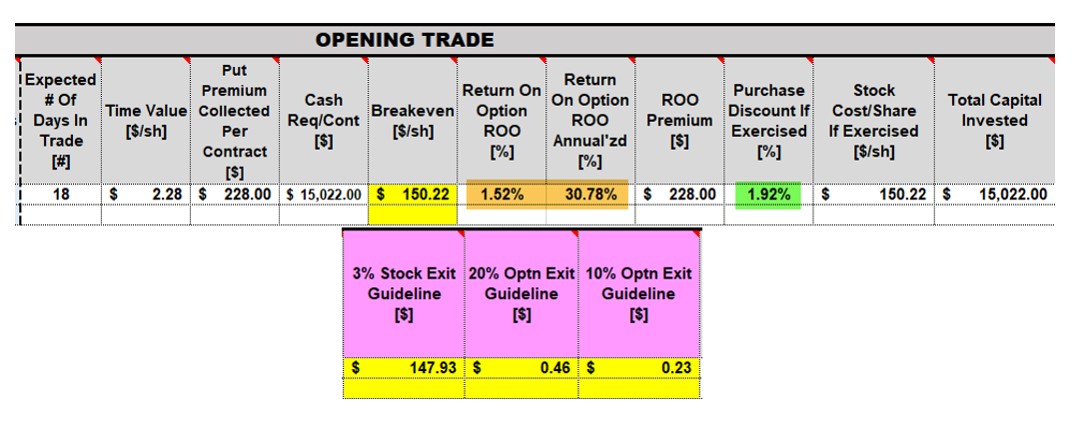
How to Enter & Calculate Closing a Weekly Put Trade After Rolling the Option in the Same Contract Cycle + Alan’s Wealth365 Webinar Registration Link
When we sell cash-secured puts, we are undertaking the contractual obligation to buy shares at the strike price by the expiration date. The option seller (that's us) sets those parameters. In return, we receive a cash premium. The implementation of exit strategy...
Dividend Stripping & Selling Cash-Secured Puts: A Real-Life Example with Walmart, Inc. (NYSE: WMT)
Whether we are selling stock options or buying stocks to accumulate dividend income, Blue collar Investors seek to generate cash-flow in a low-risk manner with capital preservation in mind. This article will highlight 1 way to combine selling cash-secured puts with...

How to Manage a 5.3% Mid-Contract Unrealized Gain: A Real-Life Example with BHP Group Limited (NYSE: BHP) + Alan’s Wealth365 Webinar Registration Link
When we have a maximum mid-contract unrealized gain on a trade, there are opportunities when we can generate additional income streams and, thereby, enjoy higher than initial maximum returns. There are also scenarios when we should take no action and continue to...
BCI PODCAST 88: Creating a Portfolio of Weekly Cash-Secured Puts
Watch Video: Listen To Audio Version: Whether we are seeking to generate significant cash-flow or to buy a stock at a discount, selling put options can be an enticing low-risk strategy This podcast will detail the reasons we should consider selling cash-secured puts...
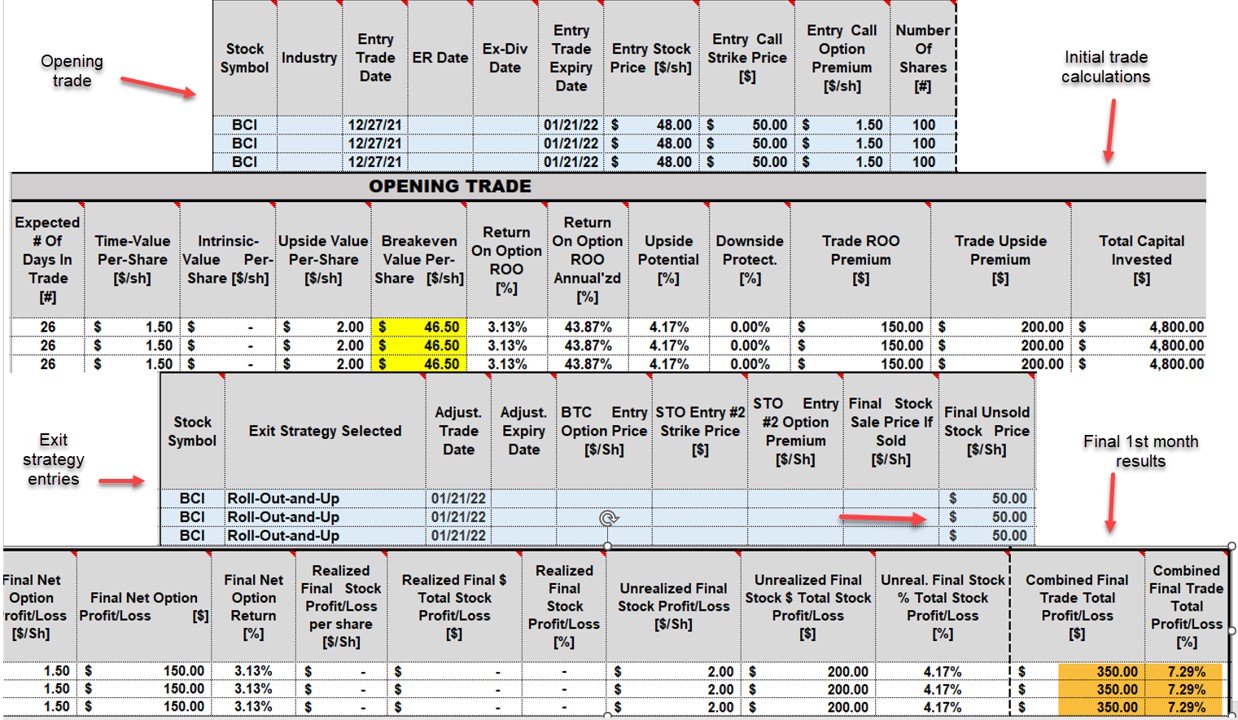
How to Enter Our Rolling-Out-And-Up Trades into Our Monthly Trading Logs
In our last blog article, we discussed how to enter our rolling-out trades into our covered call writing trading logs. This article will highlight the additional considerations when rolling our covered call trades out-and-up. Trade log challenges when...

How to Enter Our Rolling-Out Trades into Our Monthly Trading Logs
When we roll-out our covered call trades, we are actually combining 2 months of option premiums, the current month and the next contract cycle. This may create some confusion as how to enter these combination trades into our trading logs. As you will see, there is no...
 Podcast
- 126. Analyzing the Status of a Rolling-Down Trade
- 124. Dividends and After-Hours News Causing Exercise of OTM Call Strikes
- 123. Implied Volatility, IV Rank and IV Percentile Defined and Practical Applications
- BCI PODCAST 122: Should I Roll-Out My Deep In-The-Money Call Option Mid-Contract?
- BCI PODCAST 121: What is a SPAC (Special Purpose Acquisition Company)?
- 120. Using the Nasdaq-100 Volatility Index (VOLQ) in Covered Call Writing Decisions
- 119. Establishing Our Cost-Basis for Long-Term Holdings
- 118. Adjusting Our Portfolio Mix to Achieve Diversification and Cash Allocation
- 117. When a Covered Call Strike Moves $1000.00 In-The-Money
- 116. How to Execute a Covered Call Trade with a Buy/Write Combination Form
Explore Investment Topics
Covered Call Exit Strategies
Exit Strategies
Our Journey and Mission
The Blue Collar Investor was founded with a simple mission: to empower everyday individuals with the knowledge to invest wisely in the stock market. Our blog focuses on demystifying stock options, providing readers with the tools they need to succeed. We believe that anyone can learn to invest effectively, regardless of their background or experience.
Our story began when our founder Dr. Alan Ellman, realized the lack of accessible resources for average investors. Determined to bridge this gap, we created a platform that offers comprehensive guides, expert tips, and real-world strategies. Today, The Blue Collar Investor is a trusted resource for thousands of readers seeking to enhance their financial literacy and achieve their investment goals.