
Latest Insights in Stock Market Investing

Establishing a Blue Chip Covered Call Portfolio
Covered call writing and selling cash-secured puts are strategies that can be crafted to meet the personal risk tolerance of all investors. I use stocks selected from our premium watch lists in my accounts and from the ETF Reports in my mother's account. Recently,...
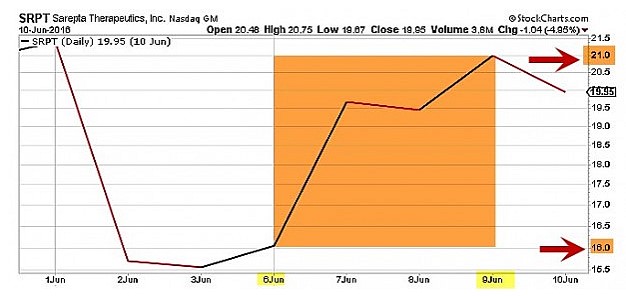
Short-Term Trades with High Returns: Evaluating a Real-Life Example
Covered call writing is a conservative strategy for cautious investors. We want the higher than risk-free returns with the least amount of risk. One question that does come up in this regard is why not enter a short-term trade that offers impressive returns? To get an...
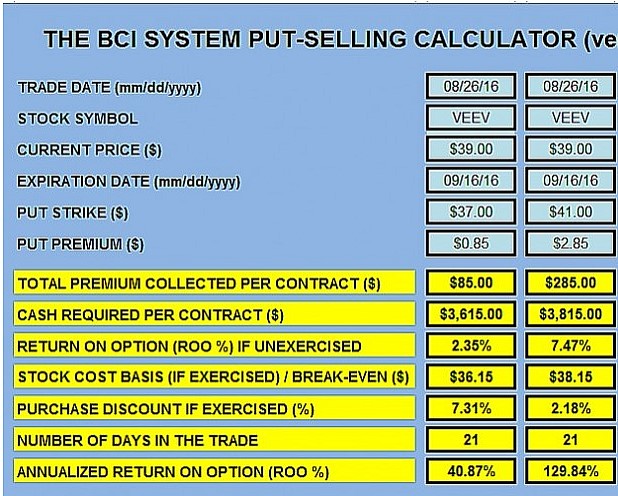
Selling In-The-Money Puts to Generate Higher Premiums: Evaluating a Real-Life Trade
Selling Cash-Secured Puts can be used to accomplish several goals; Generate cash flow Buy a stock at a discount Used as part of a multi-tiered option selling strategy along with covered call writing (PCP strategy) Our strategy goal along with overall market...
Avoiding Earnings Reports: Two Common Sense Perspectives
Never sell a covered call option or a cash-secured put for a stock with an upcoming earnings report. This is one of the most important rules in the BCI methodology. As a matter of fact, most other principles I refer to as guidelines because there is some leeway or...

Exit Strategy Selectivity: Can We Implement Too Many Exit Strategies?
Covered call writers, historically, have ignored exit strategies as part of their investment approach. Certainly, not in the BCI community but most everywhere else. As we become aware of the major financial benefits of mastering the position management skill, we...
20%/10% Guidelines: Calculating Cost Basis and Option Premium After Rolling Out And Up
Exit strategies or position management for covered call writing and selling cash-secured puts is one of the three required skills we must master to achieve the highest levels of success. One of the most important strategies we employ is the 20%10% guidelines which...
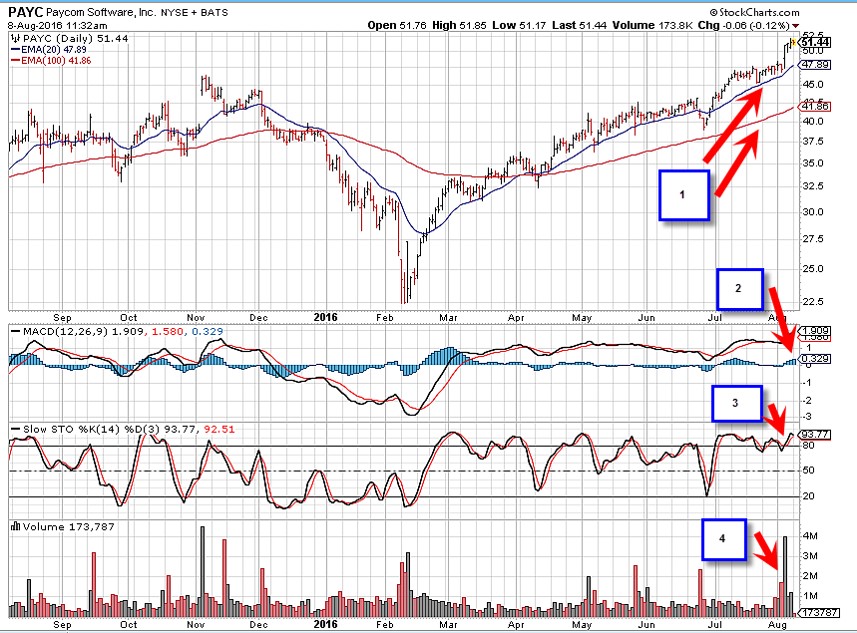
Technical Analysis Indicators for Long and Short-Term Portfolios
Technical analysis represents one third of the stock screening process in the BCI methodology. The other two are common sense principles (referred to as "descriptive terms for long-term investing) and fundamental analysis. Reading price charts is as much an art as it...
Over-Trading Our Option Positions: Good for Brokers, Not Good For Us
Exit strategies for covered call writing are essential for achieving the highest levels of success. In the BCI methodology, we have a series of guidelines that assist us in determining which position management techniques should be instituted and when we should...
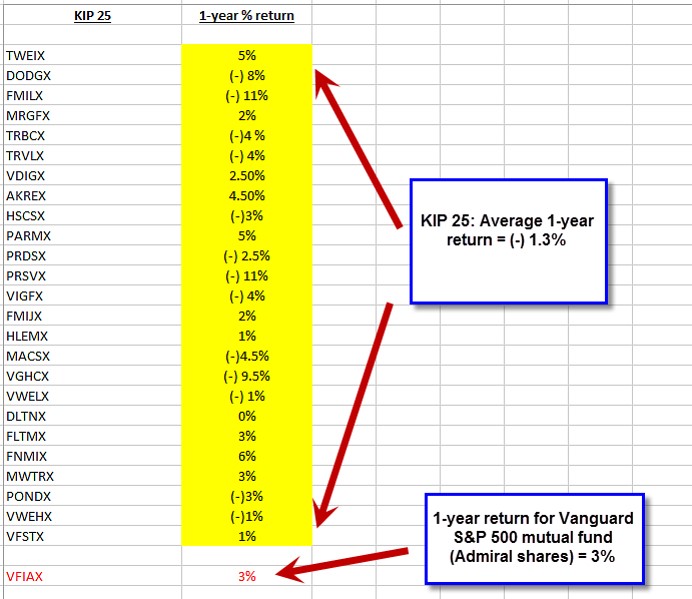
Evaluating the Performance of our Mutual Funds and Financial Advisors
Utilizing a portfolio of mutual fund investments is a topic I have addressed in my book, Stock Investing for Students. Investing with these securities represents a longer-term investment plan than covered call writing and selling cash-secured puts. A significant...
 Podcast
- 126. Analyzing the Status of a Rolling-Down Trade
- 124. Dividends and After-Hours News Causing Exercise of OTM Call Strikes
- 123. Implied Volatility, IV Rank and IV Percentile Defined and Practical Applications
- BCI PODCAST 122: Should I Roll-Out My Deep In-The-Money Call Option Mid-Contract?
- BCI PODCAST 121: What is a SPAC (Special Purpose Acquisition Company)?
- 120. Using the Nasdaq-100 Volatility Index (VOLQ) in Covered Call Writing Decisions
- 119. Establishing Our Cost-Basis for Long-Term Holdings
- 118. Adjusting Our Portfolio Mix to Achieve Diversification and Cash Allocation
- 117. When a Covered Call Strike Moves $1000.00 In-The-Money
- 116. How to Execute a Covered Call Trade with a Buy/Write Combination Form
Explore Investment Topics
Covered Call Exit Strategies
Exit Strategies
Our Journey and Mission
The Blue Collar Investor was founded with a simple mission: to empower everyday individuals with the knowledge to invest wisely in the stock market. Our blog focuses on demystifying stock options, providing readers with the tools they need to succeed. We believe that anyone can learn to invest effectively, regardless of their background or experience.
Our story began when our founder Dr. Alan Ellman, realized the lack of accessible resources for average investors. Determined to bridge this gap, we created a platform that offers comprehensive guides, expert tips, and real-world strategies. Today, The Blue Collar Investor is a trusted resource for thousands of readers seeking to enhance their financial literacy and achieve their investment goals.