
Latest Insights in Stock Market Investing
The CBOE S&P 500 PutWrite Index (PUT): An Explanation and Evaluation of Lessons Learned
The PutWrite Index ("PUT" or "$PUT) is an index created by the CBOE (Chicago Board options Exchange) which acts as a benchmark index that measures the performance of a hypothetical portfolio that sells S&P 500 Index (SPX) put options against collateralized cash...
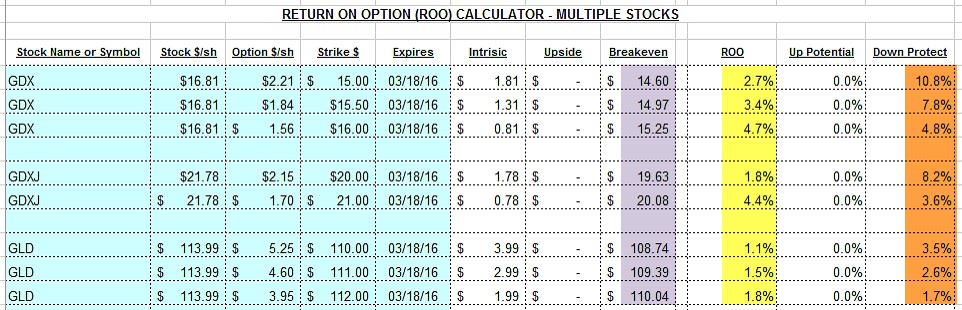
Gold ETFs and Implied Volatility in Bear Markets
Lately, I've been writing about selling options in bear markets. No surprise here as the market is down about 10% in the past three months. This, of course, is challenging for all investors but manageable to those who have achieved the three required skills for...

What Do Bernie Madoff and Covered Call Writing Have In Common?
Covered call writing is my favorite stock investment strategy and Bernie Madoff is one of the world's most infamous sociopaths. How can they exist in the same article title? This week, ABC-TV is showing a mini-series documenting the rise and fall of Bernie Madoff and...
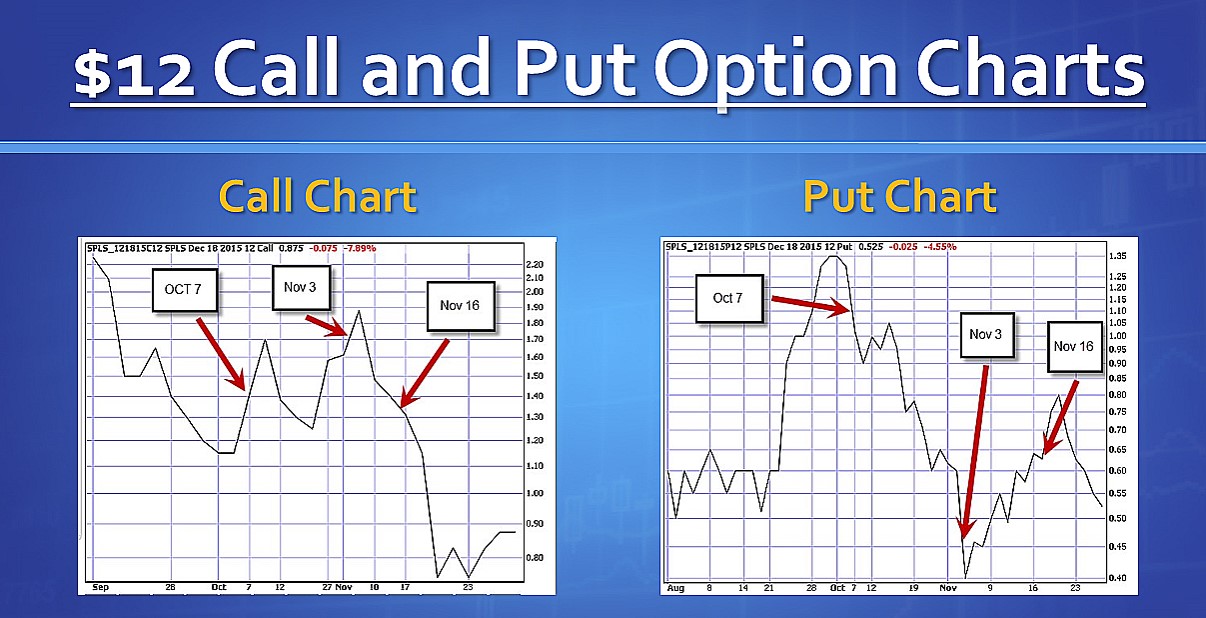
Delta and Declining Stocks: Comparing Covered Call Writing and Put-Selling
"Covered call writing and put-selling are exactly the same strategies" Now you haven't heard that from me but we have all heard it often enough to wonder why so many believe this. The main reason, the theory goes, is that the risk-reward profiles for both strategies...
Covered Call Writing and Inverse ETFs: Generating Cash in Extreme Bear Markets
Inverse Exchange-Traded Funds (ETFs) use derivatives to bet against the direction of financial markets. These are known as short or bear ETFs and will make money if markets decline in value. They will lose money, however, if markets move against the bet. Covered call...
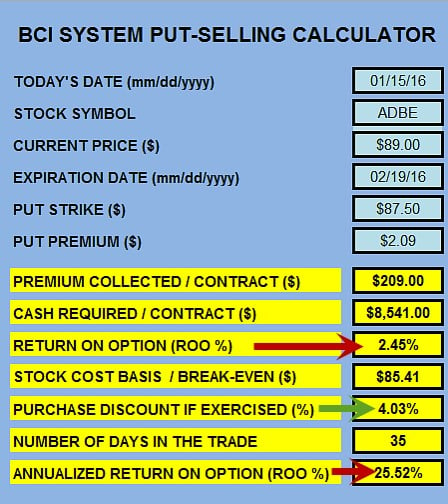
Using Out-Of-The-Money Puts and In-The-Money Calls to Manage Bear Markets
Strike price selection should be a focus when selling call and put options. With the stock market bearish and volatile at the start of 2016, this article will highlight how such choices will offer significant protection while still allowing for compelling returns. The...

Spin-offs and How they Impact Option Chains and Calculations
Corporate events can impact our covered call writing and put-selling positions in many ways. In today's article we will focus on spin-offs and how to read an options chain after the event and calculate to moneyness of our options based on the specifics of that event. ...

How to Use Weeklys and the Premium Stock Reports for Covered Call Writing During Earnings Season
One of the three required skills for covered call writing and put-selling is the selection of the underlying security. Along with this we also must avoid quarterly earnings reports. Since most corporations report earnings in similar time frames (known as earnings...

2016 New Year’s Greeting & Resolutions from The Blue Collar Investor
Alan Ellman reviews his resolutions and the positives for BCI, and continues on towards expectations for 2016: " This year's resolution is being thankful for all the support of the BCI community and team. I realize that I could have never done this without your...
 Podcast
- 126. Analyzing the Status of a Rolling-Down Trade
- 124. Dividends and After-Hours News Causing Exercise of OTM Call Strikes
- 123. Implied Volatility, IV Rank and IV Percentile Defined and Practical Applications
- BCI PODCAST 122: Should I Roll-Out My Deep In-The-Money Call Option Mid-Contract?
- BCI PODCAST 121: What is a SPAC (Special Purpose Acquisition Company)?
- 120. Using the Nasdaq-100 Volatility Index (VOLQ) in Covered Call Writing Decisions
- 119. Establishing Our Cost-Basis for Long-Term Holdings
- 118. Adjusting Our Portfolio Mix to Achieve Diversification and Cash Allocation
- 117. When a Covered Call Strike Moves $1000.00 In-The-Money
- 116. How to Execute a Covered Call Trade with a Buy/Write Combination Form
Explore Investment Topics
Covered Call Exit Strategies
Exit Strategies
Our Journey and Mission
The Blue Collar Investor was founded with a simple mission: to empower everyday individuals with the knowledge to invest wisely in the stock market. Our blog focuses on demystifying stock options, providing readers with the tools they need to succeed. We believe that anyone can learn to invest effectively, regardless of their background or experience.
Our story began when our founder Dr. Alan Ellman, realized the lack of accessible resources for average investors. Determined to bridge this gap, we created a platform that offers comprehensive guides, expert tips, and real-world strategies. Today, The Blue Collar Investor is a trusted resource for thousands of readers seeking to enhance their financial literacy and achieve their investment goals.